In the world of interventional medicine, the ability to see the unseen is paramount. As procedures become less invasive and more complex, physicians rely on advanced imaging and sophisticated device design to navigate the human body with precision. One unsung hero enabling this progress is a specialized material: the PTFE radiopaque tube. This component is a cornerstone in the development of devices that are both highly functional and visibly trackable under X-ray.
What is a PTFE Radiopaque Tube?
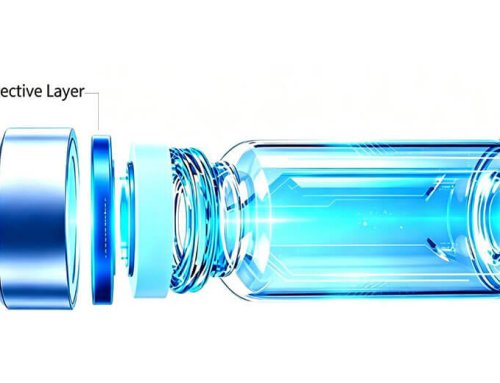
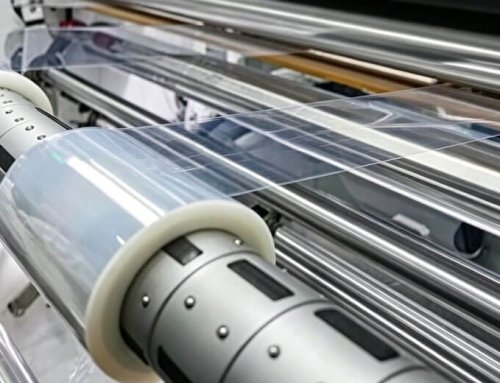
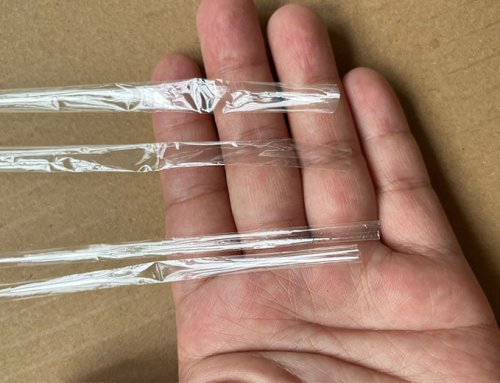
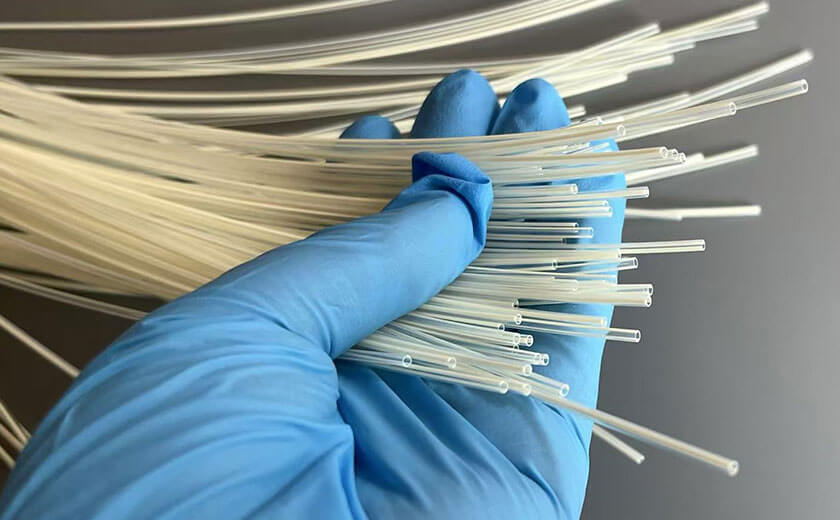
At its core, it is a medical-grade tube made from Polytetrafluoroethylene (PTFE), a synthetic fluoropolymer renowned for its unique properties. What sets it apart from standard PTFE tubing is the incorporation of a radiopaque filler, typically barium sulfate (BaSO₄). This additive allows the tube to be clearly visible under fluoroscopy or X-ray imaging, providing a real-time roadmap for clinicians during a procedure.
Why PTFE? Key Material Advantages
The choice of PTFE as the base material is not accidental; it is selected for a combination of critical performance characteristics:
- Ultra-Low Friction: PTFE boasts one of the lowest coefficients of friction of any solid material. This inherent lubricity allows medical devices to glide through delicate vasculature and anatomical pathways with minimal resistance and tissue trauma.
- Biocompatibility: Certified to standards like USP Class VI and ISO 10993, medical-grade PTFE is well-tolerated by the body, making it suitable for both temporary and implantable applications.
- Chemical Inertness: It is highly resistant to virtually all chemicals and solvents, ensuring it remains stable and unaffected by aggressive drugs, contrast agents, or bodily fluids.
- Flexibility and Kink Resistance: PTFE tubes can be engineered to be exceptionally flexible and resistant to kinking, which is crucial for navigating the tortuous paths of the vascular system.
The Power of Visibility: Radiopacity Explained
The defining feature of this component is its radiopacity. Without a radiopaque marker, clear plastic catheters and guidewires would be virtually invisible on an X-ray screen. The continuous barium sulfate marker embedded within the PTFE matrix provides a clear, sharp outline of the device throughout its length. This continuous visualization is essential for:
- Precise Placement: Ensuring stents, coils, and other implants are deployed in the exact target location.
- Safe Navigation: Allowing physicians to guide the device through the body while avoiding perforations or damaging sensitive structures.
- Procedural Confirmation: Providing immediate feedback that the device is functioning as intended.
Applications: Where You Find Them
PTFE radiopaque tubes are integral to the construction of a wide array of life-saving and life-improving medical devices, including:
- Vascular Catheters: Such as angiographic, guiding, and microcatheters used in diagnosing and treating vascular diseases.
- Guidewire Jackets: As a outer coating that provides lubricity and a visible track for the guidewire.
- Delivery Systems: For implanting devices like vascular stents, heart valves, and embolic coils.
- Neurological and Electrophysiology Devices: Where extreme precision in delicate anatomy is non-negotiable.
Conclusion
The PTFE radiopaque tube is a perfect example of how material science innovation drives medical advancement. By masterfully combining the superior physical properties of PTFE with essential radiopaque visibility, this component provides the foundation for the safe, accurate, and effective minimally invasive procedures that define modern healthcare. It is a critical enabling technology that empowers physicians to perform complex interventions with confidence, ultimately improving patient outcomes.
If you have any questions or needs regarding radiopaque tube, please feel free to contact us. Our contact information is as follows:
Phone: +86 15956561251
Email: ruby@mochi.org.cn
Looking forward to working with you to create a bright future!