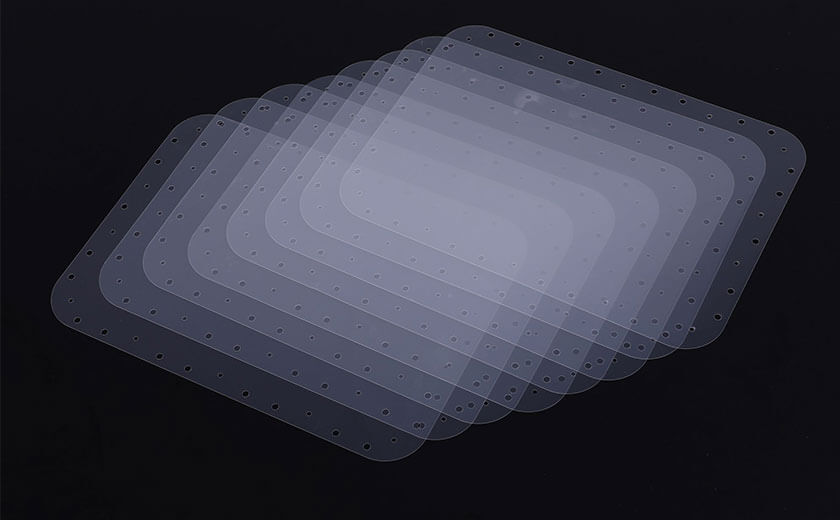
In the captivating world of resin 3D printing (SLA, DLP, LCD), much attention is given to high-resolution screens, intricate models, and the resins themselves. Yet, between the build platform and the light source lies a silent, transparent guardian that plays the most critical role in every single print: the release film. And among these, FEP is the classic, ubiquitous workhorse.
This thin sheet of fluorinated polymer is the defining interface between success and failure. But while it enables the technology, it also holds it back. Let’s explore the crucial role of FEP film, why it’s a bottleneck for speed and scale, and what the future might hold.
What Exactly is FEP Film?
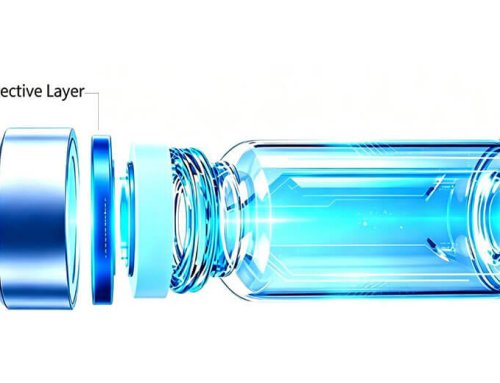
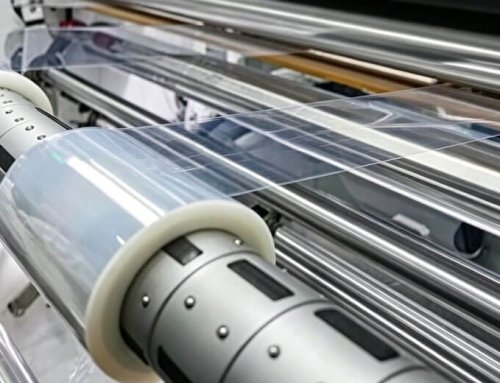
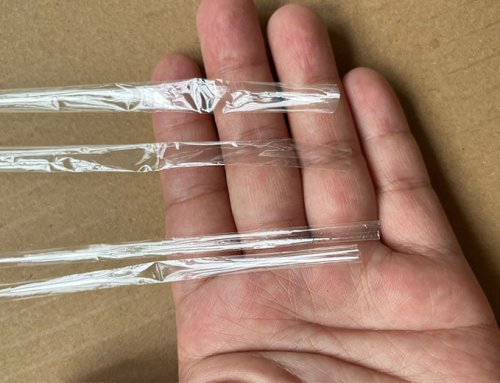
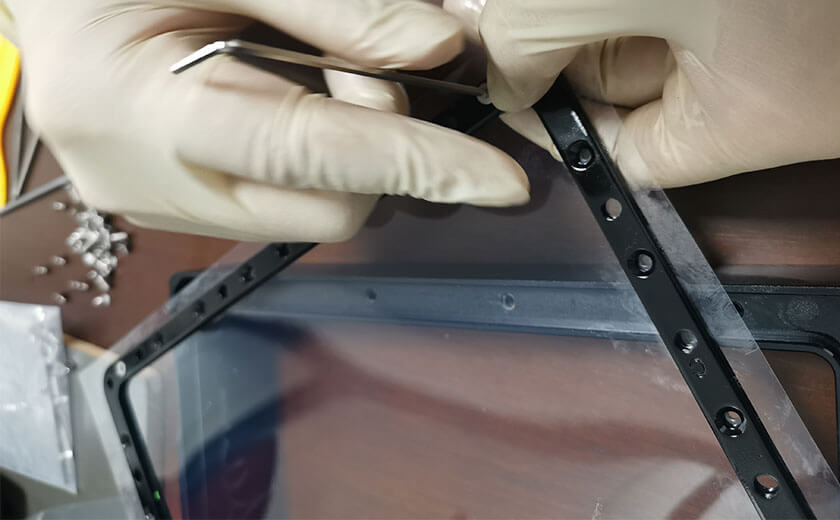
FEP, or Fluorinated Ethylene Propylene, is a durable, transparent fluoropolymer film stretched taut across the bottom of the resin vat. It serves two non-negotiable functions:
1.It acts as an optical window, allowing UV light to pass through with minimal distortion to cure the resin precisely.
2.It acts as a release layer, allowing the newly cured layer of resin to cleanly detach from the vat so the next layer can be built upon it.
This cycle of curing and peeling happens hundreds, even thousands, of times for a single print. The performance of the film in this dance is everything.
The Brilliance of FEP: Why It Became the Standard
FEP earned its place as the default material for a reason, thanks to two inherent properties:
1.Incredibly Low Surface Energy: FEP has a naturally non-stick surface. Liquid resin struggles to adhere to it strongly, which allows the cured layer to peel away with relatively low force. This property is the fundamental reason resin printing is even possible, as it prevents the print from permanently sticking to the vat.
2.High Transparency and Chemical Resistance: FEP is highly transparent to the 405nm UV light used in most desktop printers, ensuring efficient curing. It’s also largely inert and resistant to the chemicals in photopolymer resins, allowing it to last for many print cycles before needing replacement.
For most hobbyists and users of small-to-medium format printers, FEP is a cost-effective and reliable solution that delivers excellent results.
The FEP Bottleneck: Where the Limits Lie
Despite its proven performance, the background information correctly identifies FEP’s core weaknesses: print speed and separation efficiency. These become critically apparent when pushing towards industrial applications.
1.The Physics of Peeling: After each layer is cured, the build plate must rise and peel the print away from the FEP film. This peeling action creates significant suction forces (especially with large cross-sectional areas), known as peel forces. The printer must lift slowly and steadily; too fast, and the immense force can warp the print, cause layer shifting, or even tear the model completely off the build plate. This physical limitation directly caps the maximum lift speed, which is the primary bottleneck in achieving faster print times.
2.The Scaling Problem: As mentioned, FEP is well-suited for smaller vats, typically around 6 to 7 inches. However, when printing large, continuous parts on bigger machines, the peel forces increase dramatically. The massive suction force challenges the structural rigidity of the printer, the power of the motors, and the strength of the FEP film itself. This makes FEP-based printing notoriously difficult to scale for large-format, industrial production.
3.Wear and Tear: While chemically resistant, FEP is susceptible to physical abrasion. Every peel, every accidental touch with the scraper, can leave micro-scratches. Over time, this haziness reduces light transmission and can affect release performance, necessitating replacement and adding to maintenance overhead.
Beyond FEP: What’s Next?
The need for speed and scale is driving innovation beyond traditional FEP.
1.PFA Film: A close relative of FEP, PFA offers similar clarity and low surface energy but with greater flexibility and elongation. It stretches more during peeling, which helps reduce the peak peel force and allows for slightly faster lift speeds than FEP, making it a premium alternative for larger-format printers.
2.Elastic Release Films: This new class of films, sometimes called EFP, is extremely elastic. They deform significantly during peeling, almost entirely eliminating the suction effect and enabling dramatically faster print speeds. This is currently a premium solution aimed at solving the core separation problem.
3.Paradigm-Shifting Technologies: Some companies have abandoned the peel-and-retract process altogether. Technologies like CLIP (Continuous Liquid Interface Production) use a permeable oxygen-rich window to create a persistent “dead zone” where resin cannot cure, allowing for continuous, non-stop printing without any separation forces. This represents a fundamental shift in the technology itself.
Conclusion: A Foundation with Limits
FEP release film is the unsung hero that made desktop resin printing accessible and reliable. For enthusiasts and applications involving small-to-medium sized prints, it remains the perfect, cost-effective solution. Understanding its properties is key to dialing in perfect print settings.
However, its physical limitations in peeling dynamics are the very reason resin printing faces a speed and scale barrier. For high-speed, large-scale industrial manufacturing, the industry is already moving towards advanced films like PFA and elastic membranes, or entirely new technologies that bypass the problem altogether.
So, the next time you start a print, remember the critical role of that clear sheet at the bottom of your vat. It’s not just a consumable; it’s the foundational interface that defines the capabilities and the constraints of the entire process.
If you have any questions or needs regarding release film for 3D printer, please feel free to contact us. Our contact information is as follows:
Phone: +86 15956561251
Email: ruby@mochi.org.cn
Looking forward to working with you to create a bright future!