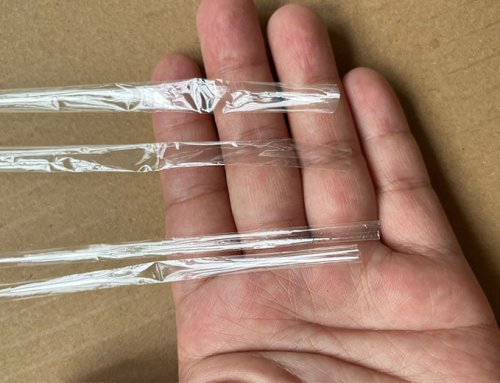
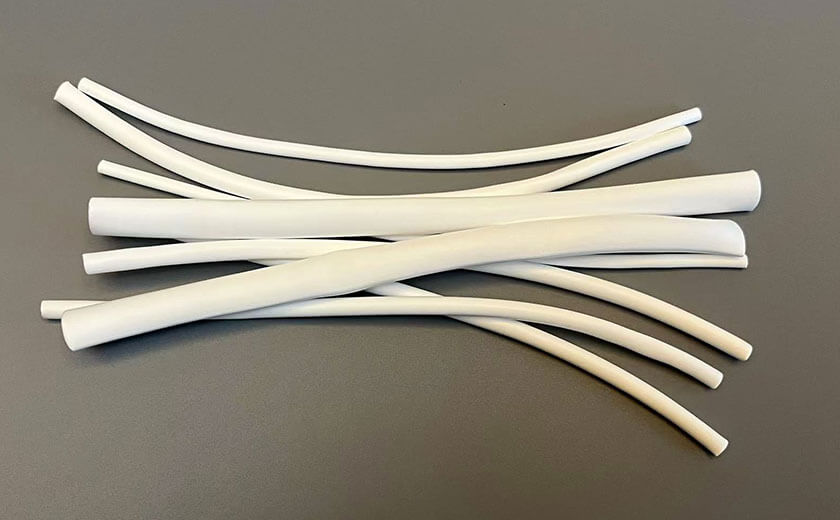
In the demanding world of industrial fluid handling, few challenges are as persistent and destructive as the transfer of highly corrosive chemicals. The integrity of piping systems is not just a matter of operational efficiency but of safety, cost, and environmental responsibility. While metals like stainless steel have been traditional go-to materials, their performance often falls short in the face of aggressive media. Emerging as a superior solution is Expanded Polytetrafluoroethylene (ePTFE) tube, a material whose remarkable resistance is proven in the harshest conditions.
The Limits of Metal: A Case from the Chlor-Alkali Industry
The chlor-alkali industry, a cornerstone of chemical manufacturing, provides a stark illustration of this material challenge. A critical process involves the continuous transfer of 32% caustic soda (liquid NaOH). A common choice for this task has been 304 stainless steel, valued for its general corrosion resistance.
However, reality tells a different story. In a documented application, a 304 stainless steel pipeline transferring 32% liquid alkali began to show signs of pitting corrosion within just 6 months. This localized attack, which can lead to leaks and catastrophic failure, necessitates frequent inspection, maintenance, and premature replacement, driving up operational costs and creating significant downtime.
The ePTFE Alternative: Unmatched Chemical Inertness
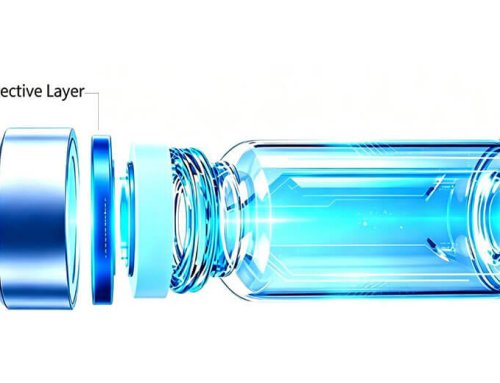
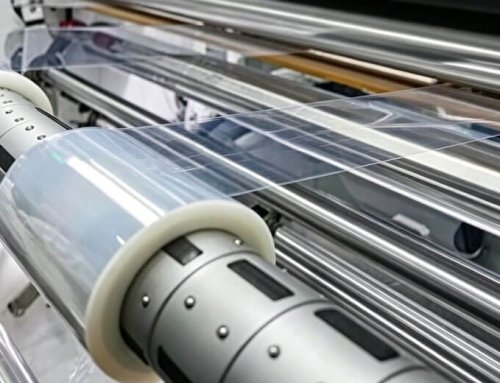
In contrast, ePTFE tube stands up to this challenge with exceptional performance. ePTFE is renowned for its almost universal chemical inertness, courtesy of the strong carbon-fluorine bonds that form a robust, non-reactive shield. The expanded microporous structure enhances its functional properties without sacrificing the innate chemical resistance of the PTFE polymer.
This tubing is not only suitable for strong alkalis but also for some of the most aggressive acids, including:
- Concentrated Sulfuric Acid (98%)
- Hydrofluoric Acid (40%)
Unlike many materials, ePTFE does not swell, dissolve, or degrade when exposed to these potent chemicals. Its non-stick surface also prevents fouling and buildup, ensuring consistent flow rates.
A Five-Year Testimony to Durability
The most compelling evidence comes from direct, long-term comparison. In the same chlor-alkali plant environment where the stainless steel pipeline failed in months, an ePTFE pipeline handling the 32% liquid alkali remained in service for 5 years without any measurable change in wall thickness.
This is not merely resistance; it is virtual immunity. The absence of corrosion, thinning, or degradation over such an extended period underscores a fundamental advantage. It translates directly into:
- Dramatically reduced lifecycle costs.
- Elimination of unplanned shutdowns for pipe replacement.
- Enhanced safety by virtually eliminating the risk of leaks.
Conclusion: A Clear Choice for Corrosive Service
The comparison is clear and objective. Where traditional metallic materials like 304 stainless steel succumb rapidly to pitting and corrosion from strong alkalis and acids, ePTFE tube offers a definitive solution. Its proven track record—exemplified by serving for five years in a caustic environment with zero wall thickness change—establishes it as the reliable and economical choice for handling the world’s most challenging fluids. For engineers and plant managers seeking to optimize reliability and safety in corrosive fluid transfer, ePTFE is not just an alternative; it is the superior standard.
If you have any questions or needs regarding our expanded ptfe(Eptfe) tube, please feel free to contact us. Our contact information is as follows:
Phone: +86 15956561251
Email: ruby@mochi.org.cn
Looking forward to working with you to create a bright future!