If you’ve ever stood by the ocean, you’ve felt the paradox: a world of water, yet not a drop to drink. For decades, turning seawater into freshwater meant relying on massive, energy-hungry reverse osmosis (RO) plants. But in the background, a quieter, more resilient technology has been steadily proving its worth in some of the toughest conditions. It’s not a futuristic gadget; it’s a remarkably durable material—expanded Polytetrafluoroethylene, or ePTFE—and it’s changing the game for specific, critical desalination challenges.
Beyond the Lab: What ePTFE Really Brings to the Table
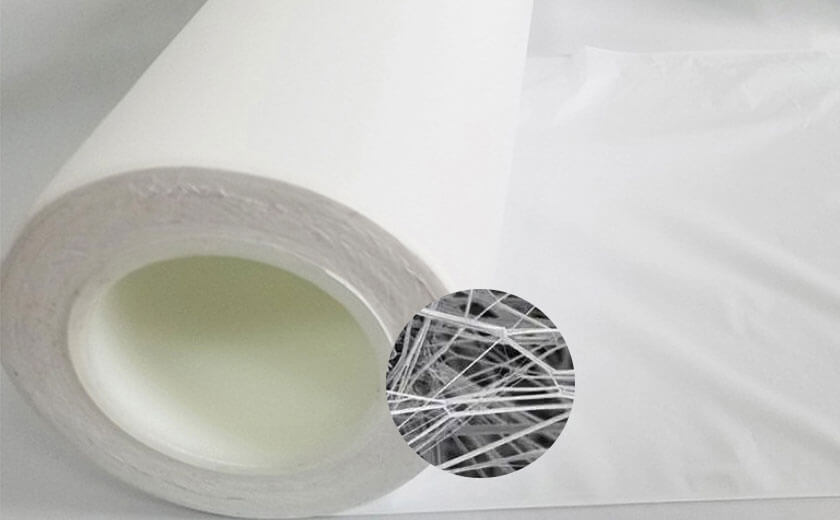
At its core, ePTFE is a membrane—a thin, porous sheet. But its structure is its superpower. Under a microscope, it looks like a labyrinth of microscopic tunnels and nodes, a labyrinth that water vapor can navigate, but liquid water and salt cannot. This isn’t just a technical detail; it’s the foundation for its real-world advantages:
- The Ultimate Repellent: Thanks to its fluorine-based chemistry, ePTFE is profoundly hydrophobic. Seawater beads up and rolls off its surface like rain on a waxed car. This inherent property makes it exceptionally resistant to the primary enemy of all membranes: fouling. Organic matter and salts have a much harder time sticking to and clogging its surface, leading to longer periods of stable operation and fewer chemical cleanings.
- Built to Last in a Harsh World: Seawater desalination is a brutal environment—corrosive salts, varying pH levels, and often high temperatures. ePTFE is chemically inert. It laughs at acids, bases, and oxidizers that would degrade other polymers. This translates directly into lower maintenance costs and a longer operational lifespan for equipment.
- The Heat Is On (And That’s Okay): Many innovative desalination processes, like membrane distillation (MD), use heat to drive freshwater production. ePTFE membranes remain stable at temperatures where others would warp or fail, unlocking the potential to use low-grade waste heat or sustainable thermal energy.
Where It Shines: Niche Applications with Outsized Impact
ePTFE membranes aren’t aiming to replace every RO plant on the coast. Instead, they excel where conventional technologies struggle or become too expensive.
1.Taming the Toughest Brines
After RO processes freshwater, they leave behind an ultra-salty, chemically complex brine. Discharging it is an environmental headache; treating it further is a technical nightmare. This is a perfect niche for ePTFE-based membrane distillation. Its chemical toughness allows it to handle this aggressive stream, recovering more pure water and reducing the final waste volume to a fraction—a key step toward Zero Liquid Discharge (ZLD), the holy grail of industrial water management.
2.Power from Waste: Turning Scrapped Heat into Fresh Water
Imagine a factory, a power plant, or a large ship. These are all sources of vast amounts of low-temperature waste heat, often just vented into the air. ePTFE membranes in an MD system can use this “free” thermal energy to produce freshwater. On offshore oil platforms or long-haul cargo ships, this means creating a self-sufficient water supply from the engine’s cooling systems, drastically reducing the need to carry or produce freshwater by other means.
3.Decentralized and Rugged Solutions
Not every community needs a billion-dollar desalination megaproject. For remote islands, military forward-operating bases, or disaster relief, compact and robust systems are vital. ePTFE’s durability and tolerance for variable feedwater quality make it ideal for smaller-scale, containerized desalination units that can run on solar thermal heat or generators without constant expert supervision.
The Honest Conversation: Challenges and the Path Forward
No technology is a silver bullet. The wider adoption of ePTFE membranes faces hurdles. The upfront capital cost for modules can be higher than some conventional options. While the process can use waste heat, it is still thermally driven, meaning energy efficiency depends entirely on smart system design and heat recovery integration. Researchers and engineers are actively working on the next generation: enhancing membranes with nano-coatings for even better anti-fouling properties, designing more efficient module geometries, and creating smarter systems that seamlessly integrate with renewable thermal sources.
Conclusion: A Trusted Tool in the Water Security Toolkit
The story of ePTFE in desalination is not about a flashy breakthrough that will render all else obsolete overnight. It’s about a reliable, exceptionally durable material that provides elegant, robust solutions to specific, nagging problems in water treatment—from managing problematic brines to unlocking the value of waste heat.
It represents a move toward smarter, more adaptive, and more resilient water infrastructure. As industries and communities seek to do more with less and push toward greater sustainability, having tools like ePTFE membranes in the engineering toolkit isn’t just useful; it’s becoming essential. The future of water security will be built not on one technology, but on many, each applied where it fits best. For the toughest jobs in the hottest, saltiest corners of desalination, ePTFE is proving to be the right tool for the job.