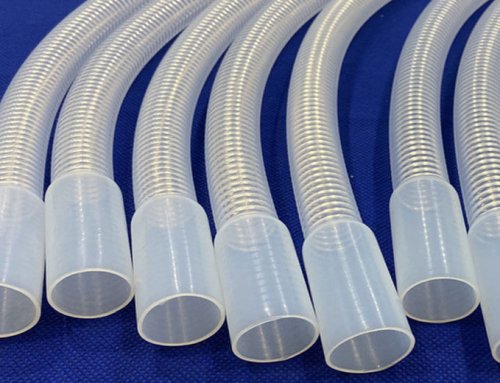
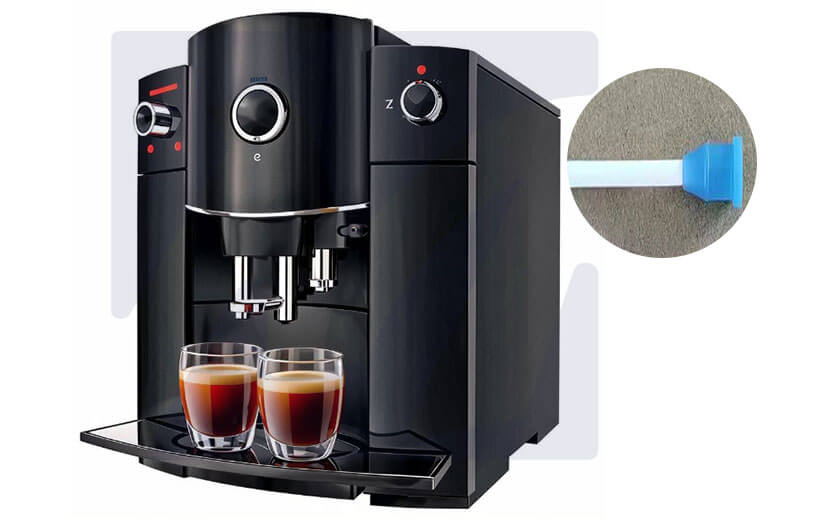
We coffee geeks fuss over everything—bean origin, grind size, water temperature, brew time. But there’s a humble, often overlooked component quietly elevating the entire experience: filtration. And not the paper or metal kind you’re thinking of. I’m talking about a little piece of advanced tubing hiding inside many modern coffee machines, made from something called ePTFE.
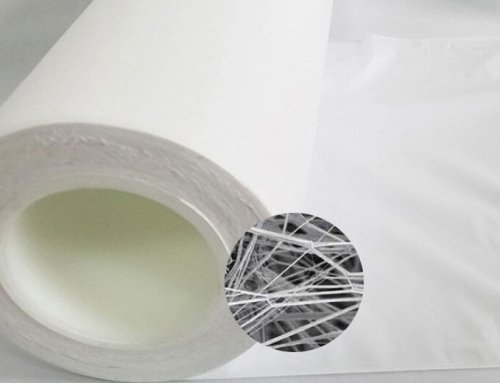
If you’ve never heard of ePTFE (expanded Polytetrafluoroethylene), don’t worry. It sounds like lab jargon, but its impact in your kitchen is beautifully simple. It’s essentially Teflon that’s been stretched into a microscopic web of threads, creating a membrane full of tiny, precise pores. This structure is hydrophobic (repels water) but allows air and vapors to pass through effortlessly. So, what’s it doing in your coffee maker?
The Problem It Solves: The Gremlins in the Machine
Remember that last office pot of coffee that tasted a bit… stale? Or your home machine that sometimes gurgles and sputters mid-brew? One common culprit is air. As hot water moves through a machine’s internal plumbing, air bubbles and water vapor can get trapped, creating uneven flow, inconsistent saturation, and temperature drops. This leads to under-extraction in some parts of the coffee bed and over-extraction in others. The result? A flat, uneven, or just plain “off” cup.
Traditional fixes involve complex valves or simply ignoring the issue. Enter the ePTFE venting tube.
The Unsung Hero: How It Works
Engineers realized they needed a way to bleed off excess air and vapor without letting liquid escape. That’s the magic of ePTFE. A small section of this tubing is integrated into the machine’s water path, often near the showerhead or in the reservoir.
Here’s the clever part:
- Air Out: Trapped air and steam can easily permeate through the micro-pores of the ePTFE tube wall and vent safely outside the system.
- Water In: Because the material is hydrophobic, liquid water is held back. It doesn’t leak or weep; it stays perfectly contained in the system.
This tiny vent acts like a continuous, silent pressure release valve. It ensures a smooth, laminar flow of hot water onto your coffee grounds. No more airlocks, no more turbulent spurts—just consistent, even saturation from the first second to the last.
The Taste Difference: From Good to Great
You don’t taste the tube. You taste what it enables.
- Consistency: Every cup is as good as the last because the water delivery is perfectly reliable.
- Clarity: By promoting even extraction, the true flavor notes of the coffee—the fruity brightness, the chocolatey depth—shine through without being muddied by uneven brewing.
- Fuller Body: Proper pressure and flow maximize the extraction of oils and soluble solids, giving the coffee a more pleasing mouthfeel.
It’s a small engineering solution that protects the integrity of your expensive, carefully sourced beans.
Beyond the Cup: A Workhorse Material
The use of ePTFE isn’t an accident. This material is a star in medical devices (allowing implants to breathe) and high-performance outerwear (think Gore-Tex). Its chemical inertness means it doesn’t impart any flavor, and its durability ensures it lasts the lifetime of the machine without degrading. It’s the definition of “set it and forget it” engineering.
The Bottom Line
The next time you enjoy a remarkably balanced and flavorful automatic brew, take a second to appreciate the invisible science at work. While we celebrate artisan roasters and precision grinders, it’s often these unassuming, smart material choices—like a whisper-thin ePTFE tube—that bridge the gap between potential and perfection in your cup.
It’s proof that in the pursuit of the perfect coffee, even the smallest detail, quite literally, matters.