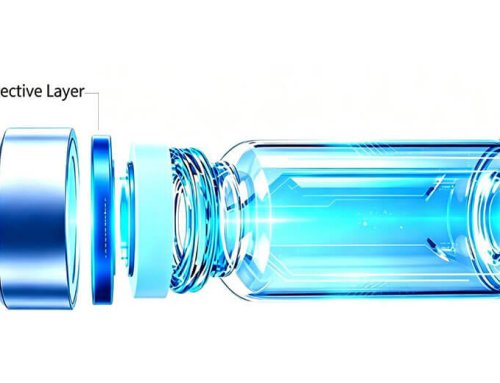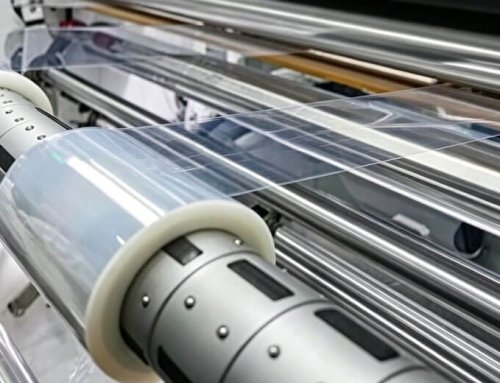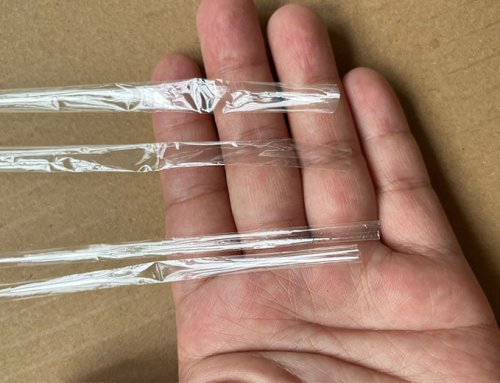

In 1969, American engineer Bob Gore accidentally discovered a unique material—expanded polytetrafluoroethylene (ePTFE)—while conducting research on polytetraethylene materials in the laboratory. This material features a uniform microporous structure with pore sizes of approximately 0.1 microns, precisely between water vapor molecules (diameter 0.0004 microns) and raindrop diameters (20-400 microns).
This special microporous structure enables the ePTFE membrane to block liquid water while allowing water vapor to pass through. Under standard test conditions, the ePTFE membrane can achieve a water pressure resistance of up to 1800mbar, meaning it requires the pressure of an 18-meter water column to cause water penetration. Its moisture permeability can reach 10,000g/m²·24h, meaning that per square meter of membrane, 10,000 grams of water vapor can pass through within 24 hours.
In addition to its waterproof and breathable properties, ePTFE also exhibits excellent chemical stability and temperature resistance. It can withstand temperature variations from -200°C to +260°C and is nearly unaffected by any chemical reagents, with only molten alkali metals able to impact it.
In practical applications, ePTFE membranes were first used in the outdoor apparel sector. Brands such as Gore-Tex and eVENT utilized its characteristics to develop high-performance waterproof and breathable fabrics. Test data show that eVENT fabric’s breathability performance is twice that of similar products, effectively wicking away sweat vapor and keeping the wearer dry and comfortable.
In the medical field, ePTFE demonstrates even greater value. Due to its microporous structure resembling human vascular intima and its good biocompatibility, it is widely used in the manufacturing of artificial blood vessels. Research indicates that ePTFE materials treated with ion beam irradiation can better promote endothelial cell adhesion and proliferation, offering new possibilities for the fabrication of small-diameter artificial blood vessels. Additionally, in neurosurgery, modified ePTFE materials can be used to repair damaged small blood vessels.
In industrial applications, ePTFE membranes are primarily used in high-precision filtration. Companies like Tetratex have developed ePTFE membrane filter materials that effectively remove microorganisms, aerosols, and fine particles. In the electronics and semiconductor industries, ePTFE membranes are used in sensor protection and semiconductor pre-filtration systems.
In recent years, researchers have continued to improve the performance of ePTFE materials. By adjusting the microporous structure and surface characteristics, the material’s integration capability within the human body has been enhanced. Meanwhile, progress has been made in developing environmentally friendly ePTFE products, with newer generations of materials already free of perfluorinated compounds (PFCs), reducing environmental impact.
From its initial accidental discovery to its wide range of applications today, the development history of ePTFE materials demonstrates how materials science can achieve functional breakthroughs through precise control of microstructure. As research deepens, this material with unique microporous structure will play an important role in even more fields.