In the precise world of chromatography, every component matters. From the column to the smallest fitting, the goal is the same: to achieve a clean, accurate, and reproducible analysis. While stainless steel and PEEK tubing often take center stage for high-pressure duties, there’s a specialized polymer that plays a critical role in specific, demanding areas—Expanded PTFE (ePTFE) tubing.
Understanding where and why to use ePTFE tubing is key to optimizing your chromatographic system’s performance and protecting your sensitive components.
What is ePTFE Tubing?
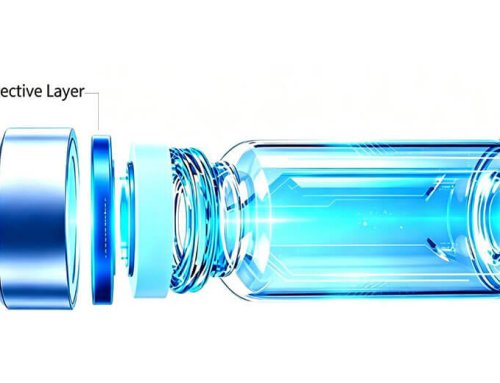
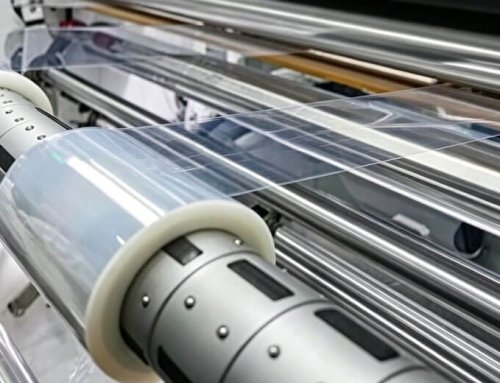
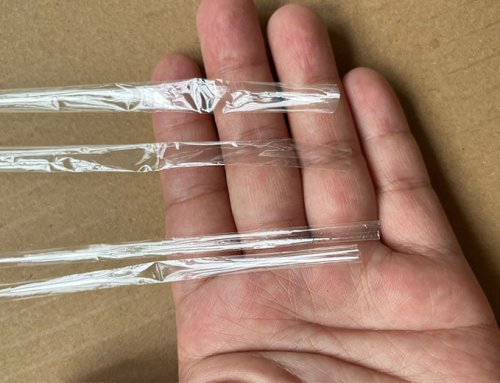
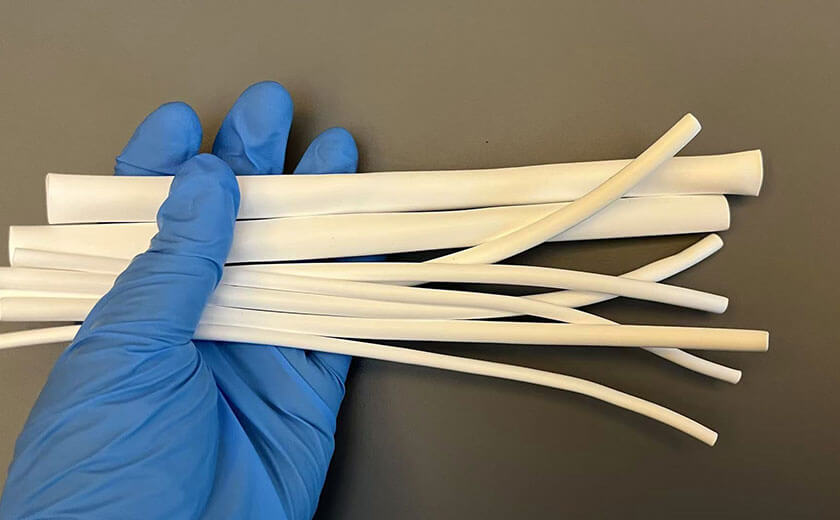
Expanded PTFE (ePTFE) is a unique form of polytetrafluoroethylene (PTFE) that has been processed to create a microporous structure. This expansion gives it enhanced flexibility compared to standard PTFE while retaining its legendary chemical inertness. Think of it as a highly specialized, flexible cousin of conventional PTFE tubing.
The Key Strengths: Where ePTFE Excels
The value of ePTFE tubing lies in a few critical properties that make it indispensable for certain applications:
1.Extremely Low Gas Permeability: This is its standout feature. ePTFE tubing acts as an exceptional barrier, significantly reducing the permeation of atmospheric gases like oxygen and water vapor through the tube wall.
2.Superior Chemical Inertness: Like all PTFE-based materials, ePTFE is highly resistant to virtually all solvents, acids, and bases, ensuring the purity of your samples and mobile phases.
3.Excellent Flexibility: Its softness makes it easy to route and install in cramped instrument spaces, simplifying maintenance.
Ideal Applications in Chromatography
Given its strengths, ePTFE tubing is the material of choice in these specific scenarios:
1.Gas Chromatography (GC) Gas Lines: This is where ePTFE truly shines. Using it for your carrier gas, fuel gas (hydrogen), and detector air lines is a best practice. By preventing oxygen and moisture from seeping into the gas stream, it protects expensive GC columns from degradation and maintains the stability and sensitivity of detectors (especially ECD and MS), leading to lower baseline noise and longer column life.
2.Liquid Chromatography (HPLC) Low-Pressure Lines: In HPLC systems, ePTFE is ideal for non-pressurized fluid paths. This includes:
- Solvent inlet lines (from the reservoir to the pump).
- Waste drain lines (after the detector).
- Vent and purge lines: Its chemical resistance guarantees compatibility with even the most aggressive solvents.
Objectivity requires acknowledging where ePTFE is not the right choice.
1.Not for High Pressure: The most critical limitation is its unsuitability for high-pressure applications. ePTFE tubing cannot withstand the pressures generated by an HPLC pump between the injector and the column. Using it here is a safety risk and will lead to failure. Stainless steel or PEEK are the required materials for these sections.
2.Potential for Extractables: For standard HPLC with UV detection, ePTFE’s inertness is sufficient. However, in ultra-sensitive applications like LC-MS, the material has the potential to release very low levels of extractable compounds over time, which could contribute to background noise. For critical LC-MS work, specially purified, “low-bleed” PEEK or stainless steel may be preferred.
A Strategic Choice
ePTFE tubing is not a universal replacement for other tubing materials. Instead, it is a strategic specialist. When applied correctly—primarily in GC gas lines and HPLC low-pressure lines—its unique combination of low gas permeability and chemical resistance makes it an invaluable tool for safeguarding your chromatography investment and ensuring data integrity.
Before selecting tubing, always consider the application: pressure requirements, the chemicals involved, and the sensitivity of your detection system.
If you have any questions or needs regarding our expanded ptfe(Eptfe) tube, please feel free to contact us. Our contact information is as follows:
Phone: +86 15956561251
Email: ruby@mochi.org.cn
Looking forward to working with you to create a bright future!