In order to deliver novel therapies deeper into the blood vessels than ever before, future catheter designs must trend towards smaller, more flexible options while maintaining sufficient strength to accurately deliver key therapeutic substances to the treatment site. With the availability of a wider range of lining tube options for medical device manufacturers and engineers, we can now explore new catheter designs that were once unimaginable, further expanding the boundaries of transcatheter vascular access.
In recent years, advancements in catheter technology have brought revolutionary changes to the medical industry and significantly improved patient care. Problems that previously required open surgery can now be successfully addressed using minimally invasive catheter techniques, often with better outcomes.
Compared to early catheters, modern vascular catheters are constructed with advanced specialized materials and precision components. The lining tube, braided reinforcement, and outer jacket materials are all carefully selected and designed to create devices that can navigate complex anatomical structures and provide life-saving treatments. Despite significant progress in catheter technology over the years, one persistent challenge has been the limited availability of ultra-thin PTFE (Polytetrafluoroethylene) catheter lining tubes.
PTFE, a synthetic fluoropolymer, is used as a catheter lining due to its unique properties. It has an extremely low coefficient of friction, which helps create a highly lubricious delivery channel that allows devices such as stents or balloons to pass easily. Additionally, PTFE exhibits excellent tensile strength, reducing the risk of catheter breakage or tearing during use and providing a stable operating environment.
When designing modern vascular catheters, it is crucial to consider the mechanical properties of the finished device. When selecting materials for catheter construction, it is necessary to evaluate not only the independent properties of the materials but also their impact on the overall performance of the device. Furthermore, not all materials considered are suitable for all situations. For catheter lining tubes, four factors are particularly important and play a critical role in determining device performance: flexibility, wall thickness, strength, and lubricity.
Throughout the evolution of catheter technology, numerous different materials have been explored for use as lining tubes. From polyimides (PI), high-density polyethylene (HDPE), to fluoropolymers, they have all been tried with varying levels of success. Ultimately, fluoropolymers, especially PTFE, have emerged as the preferred material for catheter lining tubes.
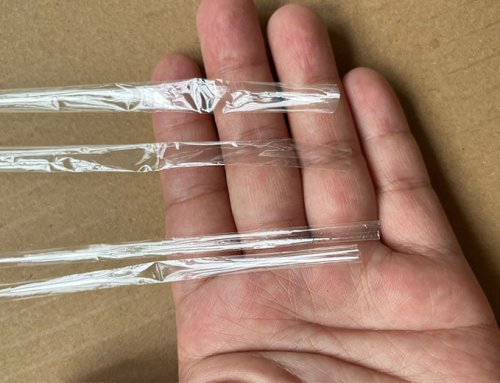
PTFE is chemically inert, capable of tolerating the high temperatures of steam and autoclave sterilization, and has the lowest coefficient of friction of all polymer resins – a particularly useful characteristic for catheter lining tubes, aiding in the creation of highly lubricious lumen walls. Importantly, PTFE lining tubes can have extremely thin wall thicknesses (< 0.001″). Besides enhancing flexibility, thin walls help minimize the overall size of the catheter and maximize lumen volume.
While PTFE has become the preferred material for most vascular catheter designs, depending on the production method, some PTFE lining tubes may not achieve a satisfactory balance of functional properties. Sometimes, the lining tube may have high tensile strength but lacks sufficient flexibility or has a wall that is too thick. In other cases, the lining tube may have satisfactory wall thickness and flexibility but insufficient tensile strength for use in catheter designs.
In either scenario, it may be necessary to add, subtract, or modify the outer jacket and braided materials to compensate for the lining tube’s performance shortcomings, potentially limiting the overall performance of the catheter. Therefore, selecting the appropriate lining tube for the catheter’s application and specific design involves a delicate balance between wall thickness and mechanical properties. Having more options for PTFE catheter lining tubes that better match combinations of size, flexibility, and strength can play a crucial role in enhancing catheter performance and surgical outcomes.
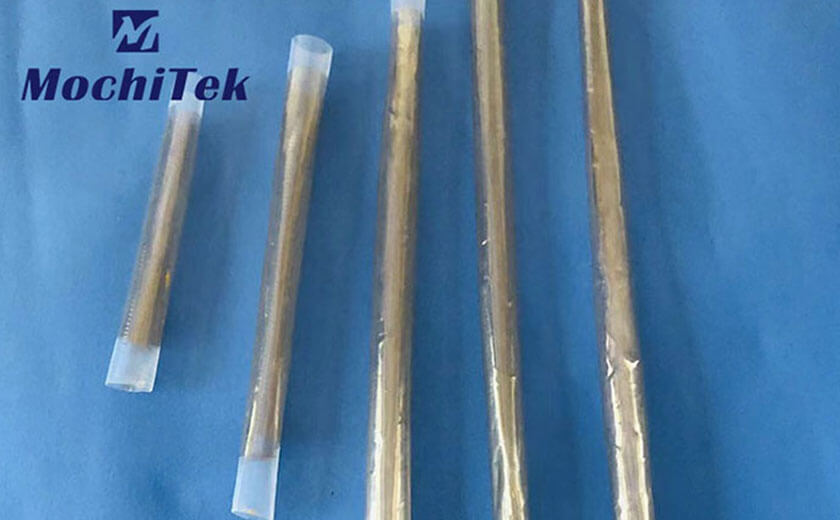
Mochitek provides consistent and stable PTFE lining tubes to help you achieve optimal product performance and provide reliable support for mass production.