If you’ve ever worked on an electronics project, automotive repair, or even a DIY hobby that involves wiring, you know how crucial it is to protect your connections. I’ve tried my fair share of heat shrink tubing over the years—PVC, PTFE, PFA—and while they all have their place, there’s one that’s become a staple in my toolbox: FEP heat shrink tube. Let me break down why it’s not just another “fancy fluoropolymer” but a reliable solution that solves real problems I’ve run into time and time again.
First, let’s get the basics out of the way (without the textbook jargon). FEP stands for Fluorinated Ethylene Propylene, a type of fluoropolymer that’s part of the same family as PTFE (you know, Teflon) but with some key differences that make it way more user-friendly. Unlike PTFE, which requires extremely high temperatures to shrink (we’re talking over 300°C—way too hot for most delicate components), FEP shrinks at a much more manageable 180-200°C. That might sound high, but trust me, it’s low enough to use with temperature-sensitive parts like LEDs, sensors, or even medical probes without damaging them.
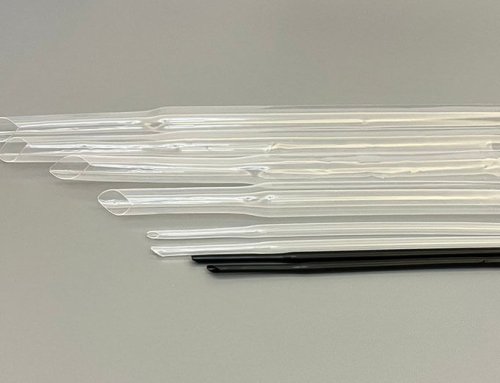
One of the biggest frustrations I used to have with other heat shrink tubes was either poor clarity or flimsy protection. PVC tubing is cheap, sure, but it yellows over time, gets brittle when exposed to heat or chemicals, and doesn’t offer great insulation. PTFE is tough, but it’s opaque—so you can’t check if your solder joint is clean or if the tubing is properly sealed. FEP fixes both of these issues in one go. It’s almost completely transparent (think 90%+ light transmission), so you can see exactly what’s under the tubing after shrinking. That might sound like a small detail, but when you’re working on a precision project—like sealing a sensor connection or protecting a delicate wire splice—being able to verify your work without peeling off the tubing is a game-changer.
Another thing that sold me on FEP is its versatility. I use it for everything from industrial wiring to DIY electronics, and it holds up in even the harshest environments. It’s resistant to almost every chemical you’d encounter—acids, bases, solvents, you name it—so it’s perfect for projects in garages, labs, or even outdoor settings. I recently used it to protect the wiring on a solar panel installation, and it’s held up against rain, UV rays, and extreme temperature swings (-80°C to 200°C, to be exact) without cracking or degrading. That’s way more than I can say for PVC, which would have turned brittle and split within a few months.
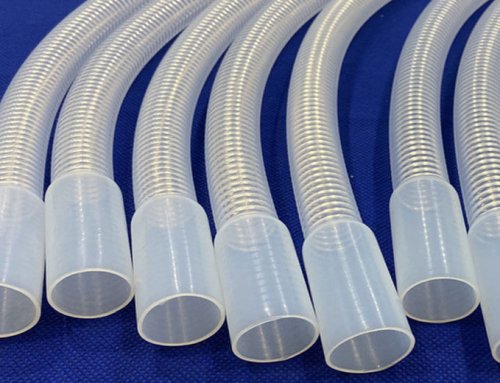
Let’s talk about installation, because no one wants a product that’s a pain to use. FEP heat shrink tube is flexible right out of the package, so it’s easy to slide over wires, connectors, or even irregularly shaped components. I’ve used it to wrap around bulky wire harnesses and small solder joints alike, and it shrinks evenly without wrinkling or leaving gaps. Pro tip: Use a heat gun on the low setting and move it back and forth—don’t hold it in one spot—and you’ll get a tight, seamless seal every time. I’ve even used a hair dryer in a pinch (though a heat gun is better for consistency) and it still worked great. Unlike PFA, which is stiffer and harder to manipulate, FEP bends with the component, so you don’t have to worry about it cracking or pulling away from the surface.
I should also mention its safety features, because that’s non-negotiable when working with electricity or heat. FEP is flame-retardant (meets UL94 V-0 standards), so it won’t catch fire or spread flames if something goes wrong. It also has excellent electrical insulation properties—high dielectric strength, low dielectric constant—so it prevents current leaks and signal interference. I used it to insulate the wiring in a vintage radio restoration project, and it kept the signals clear and the connections safe, even when the radio was running for hours at a time.
Now, I know what you’re thinking: Is FEP worth the slightly higher cost compared to PVC? For me, absolutely. The time and frustration it saves—no more redoing connections because the tubing failed, no more guessing if your joint is sealed—more than makes up for the extra few dollars. And compared to PTFE or PFA, it’s actually more affordable while still offering most of the same high-performance benefits. It’s the sweet spot between budget-friendly PVC and premium fluoropolymers, which is why it’s become my go-to for almost every project.
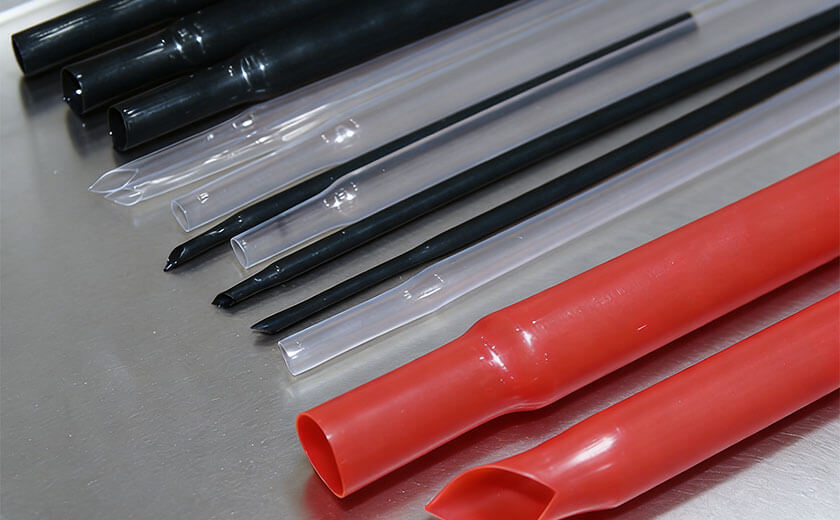
A quick note on sizes and customization: FEP comes in a wide range of diameters (from as small as 1.6mm to as large as 250mm) and shrink ratios (usually 1.3:1 or 1.7:1, though some brands offer 2:1). I mostly use the 1.7:1 ratio because it gives me a little extra room to slide it over connectors but still shrinks tight enough for a secure seal. You can also get it in custom colors—red, blue, black—if you need to color-code your wiring, which is super helpful for automotive or industrial projects where organization matters.
To sum it up: FEP heat shrink tube isn’t just a “better” option—it’s a smarter one. It’s easy to use, versatile, durable, and transparent, solving all the pain points I’ve had with other types of heat shrink. Whether you’re a professional electrician, a hobbyist, or someone who just wants to protect their wiring properly, I highly recommend giving it a try. I’ve swapped out almost all my other tubing for FEP, and I haven’t looked back.
Have you used FEP heat shrink tube before? What’s your go-to application for it? Drop a comment below—I’d love to hear your experiences!