If you’ve ever struggled with cheap heat‑shrink tubing that melts, yellows, or fails in harsh environments, you already know: not all insulation sleeves are created equal. For mission‑critical applications in medical devices, automotive, aerospace, electronics, and industrial equipment, FEP heat shrink tubing stands apart as a top‑tier solution that balances performance, ease of use, and long‑term reliability.
In this guide, we break down what FEP heat shrink is, why it outperforms standard materials, where it works best, and how to choose the right type for your project — no jargon, no fluff, just real‑world value for your design and sourcing.
What Is FEP Heat Shrink Tubing, Anyway?
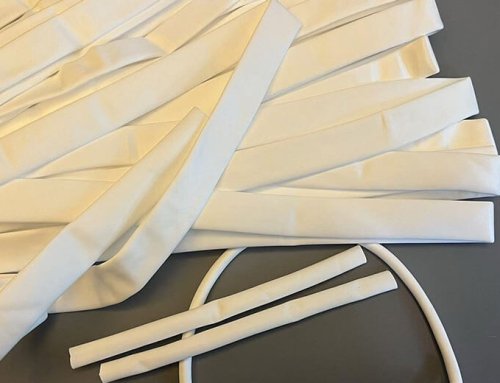
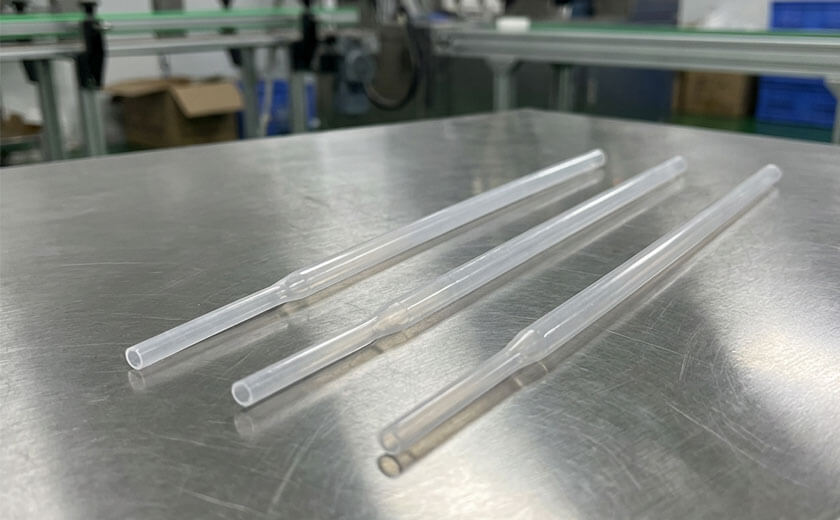
FEP (Fluorinated Ethylene Propylene) is a melt‑processable fluoropolymer that delivers many of the benefits of PTFE but with better clarity, lower shrink temperature, and easier manufacturing. FEP heat shrink tubing is pre‑expanded during production; when heated to around 110–200°C, it tightly conforms to wires, connectors, probes, or components, creating a seamless protective layer.
Unlike PVC, PE, or even some polyolefin heat shrink, FEP remains stable, flexible, and inert under extreme conditions. That’s why it’s widely specified in regulated and high‑stress industries.
5 Key Advantages of FEP Heat Shrink Tubing
- Extreme Temperature Resistance
FEP operates continuously from ‑200°C up to +200°C, far beyond the limits of standard heat‑shrink products. It won’t crack in cryogenic setups or soften in engine bays, ovens, or industrial machinery.
- Near‑Perfect Chemical Resistance
FEP is inert to nearly all acids, bases, solvents, oils, and fuels. It won’t swell, degrade, or leach contaminants — critical for chemical processing, lab equipment, and medical devices.
- Industry‑Leading Clarity & Visibility
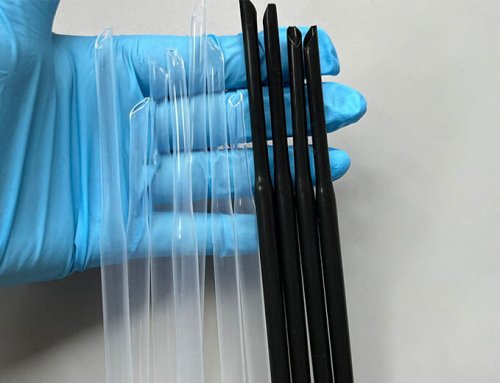
Most fluoropolymer tubing is opaque; FEP is naturally crystal‑clear (light transmission >92%). You can inspect solder joints, wire color codes, and component condition without removing the sleeve.
- Excellent Electrical Insulation
With high dielectric strength and low dissipation factor, FEP provides reliable insulation for signal wires, high‑voltage leads, and sensitive electronics. It also reduces interference and supports stable performance.
- Non‑Stick, Low‑Friction Surface
FEP’s slick surface resists dust, glue, resin, and debris. It’s easy to clean and ideal for applications where buildup would cause failure, such as fluid nozzles, heating elements, and medical instruments.
Bonus: FEP is UL 94 V‑0 rated (self‑extinguishing) and supports sterilization (autoclave, ETO, gamma) for medical and food‑contact uses.
Top Industries & Real‑World Uses
FEP heat shrink isn’t just a “specialty material” — it’s a workhorse across sectors:
- Medical devices: Catheters, endoscopes, surgical instruments, sensor leads
- Automotive & EV: Engine wiring, battery connections, sensor cabling
- Aerospace & defense: Avionics, wiring looms, harsh‑environment components
- Electronics & telecom: Fiber optic protection, PCB connections, high‑freq cables
- Industrial & semiconductor: High‑purity fluid lines, thermal probes, corrosion barriers
- Food & beverage: Processing equipment, temperature probes, non‑stick sleeves
If your project demands durability, cleanliness, or stability, FEP is almost always a smarter long‑term choice.
FEP vs. PTFE vs. PFA: Quick Comparison
| Feature | FEP | PTFE | PFA |
| Shrink Temperature | Lower (110–200°C) | Very high (300°C+) | Medium‑high |
| Transparency | Excellent | Opaque | Good |
| Flexibility | Very flexible | Stiffer | Flexible |
| Cost | Mid‑range | High | High |
| Best For | Most industrial, medical, electronics | Extreme static heat | Ultra‑high temp, chemical |
Bottom line: FEP gives you fluoropolymer performance with easier installation and better visibility — the sweet spot for most applications.
How to Choose the Right FEP Heat Shrink Tubing
To avoid waste and ensure a perfect fit, focus on three factors:
- Shrink ratio (1.3:1, 1.6:1, 2:1) — match to your component diameter
- Wall thickness — thin for delicate parts, thick for heavy protection
- Length & cut — add ~5–10% extra for axial shrinkage
Always confirm compliance: UL, RoHS, biocompatibility, or food‑grade as needed.
Final Thoughts
Cheap heat shrink might save money upfront, but it costs far more in failures, rework, and downtime. FEP heat shrink tubing is engineered for applications where safety, reliability, and longevity aren’t optional — they’re required.
Whether you’re designing medical devices, wiring electric vehicles, protecting sensitive electronics, or upgrading industrial equipment, FEP heat shrink delivers consistent, long‑lasting performance that standard materials simply can’t match.
If you’re ready to upgrade from generic sleeves to high‑performance fluoropolymer insulation, FEP heat shrink is the proven choice for engineers and buyers who refuse to compromise.